What Is a Swing Check Valve?
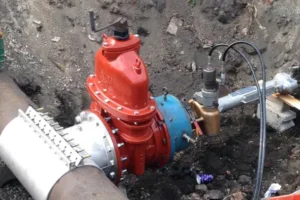
A swing check valve is a type of one-way valve that allows fluid to flow in one direction and automatically prevents backflow.
It uses a hinged disc (flap) that swings open when the fluid flows forward and closes when the flow reverses. This design makes swing check valves simple, durable, and widely used in water, oil, gas, and chemical systems.

However, the installation position of a swing check valve plays a crucial role in its performance and service life.
Correct Installation Position
A swing check valve can generally be installed in horizontal or vertical pipelines — but the orientation must match the valve’s design.
(1) Horizontal Installation
Most common and recommended position.
The valve body is installed horizontally, and the disc swings vertically.
The flow direction must follow the arrow mark on the valve body.
Ensure enough space above the valve for the disc to swing freely.
✅ Best for: water supply lines, process pipelines, and industrial systems where flow is steady.
(2) Vertical Installation
Can be used only when the flow direction is upward.
The disc opens upward as the fluid rises and closes when flow reverses.
Not suitable for downward or horizontal flow in vertical lines — gravity would keep the disc open or cause it to slam shut.
✅ Best for: pump discharge lines or systems with vertical upward flow.
Installation Guidelines
To ensure smooth operation and long service life, follow these key installation tips:
Confirm Flow Direction:
The arrow on the valve body indicates the correct flow direction — always match it with the actual fluid flow.Avoid Pulsating Flow:
Frequent flow reversals cause the disc to chatter, leading to wear or noise.Allow Space for Maintenance:
Install the valve where the cover and disc can be easily removed for inspection or repair.Use Flanged or Wafer-Type Check Valves Properly:
Flanged types are ideal for heavy-duty applications.
Wafer swing check valves save space and can be installed between flanges, but alignment is critical.
Install After Pumps (Not Before):
Swing check valves should be installed on the discharge side of pumps to prevent reverse flow when the pump stops.Avoid Air Pockets:
In horizontal lines, make sure the valve is positioned so that air cannot accumulate inside the valve body.
Common Mistakes to Avoid
Installing a vertical swing check valve with downward flow.
Mounting the valve upside down (hinge below the disc).
Using a swing check valve in systems with pulsating or turbulent flow — a piston or spring-loaded type is better suited.
Neglecting to check alignment — misalignment can cause leakage or seat damage.
Conclusion
The installation position of a swing check valve directly affects its performance, sealing, and durability.
For most applications, horizontal installation is ideal, while vertical installation is suitable for upward flow systems only.
By following proper installation practices — correct orientation, flow direction, and spacing — you can ensure reliable backflow prevention and long service life for your swing check valves.
Contact TOT Valve Experts
Need help choosing or installing the right check valve for your pipeline system?
TOT Valve & Control Solutions provides a wide range of swing check valves designed for water, chemical, and industrial use.
Contact us today for technical support or to request a quote.