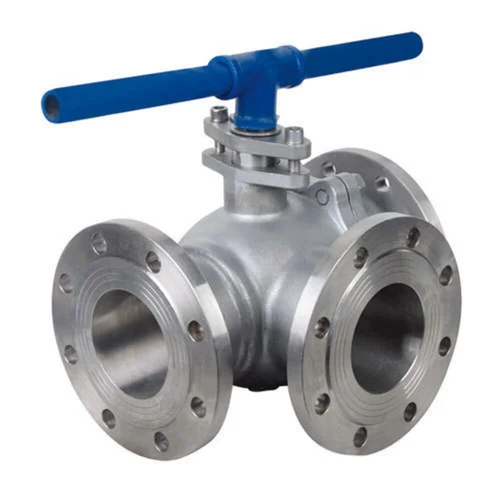
Weir Type Rubber Diaphragm Valve (Manual, Flanged, Anti-Corrosion)
This is a comprehensive overview of the Weir Type Rubber Diaphragm Valve, a robust Manual Shutoff Valve designed for exceptional corrosion and abrasion resistance in challenging industrial environments. It utilizes a diaphragm to isolate the operating mechanism from the fluid, making it ideal for handling aggressive, viscous, or slurry-laden media.
📋 Key Product Specifications
| Parameter | Detail / Option |
| Product Name | British Standard Rubber Lined Diaphragm Valve |
| Valve Type | Diaphragm Valve (Isolation/Shutoff) |
| Structure | Diaphragm |
| Operation | Manual (Handwheel) |
| Connection Type | Flange |
| Port Size (DN) | DN15 to DN300 (Commonly DN15 to DN200) |
| Max. Pressure | PN10 / PN16 (Typical rating for diaphragm valves) |
| Working Temperature | 40°C to +225°C (Varies significantly by diaphragm material) |
| Media Handled | Chemicals, Water, Gas, Oil, Bases |
| Features | Rubber Soft Seal Type, Anti-Corrosion |
| Customization | OEM, ODM, OBM support available |
🛠️ Material and Component Details
| Component | Material Options | Notes |
| Body Material | Ductile Iron, Cast Iron, Cast Steel, WCB, SS304 / SS316 | Ductile Iron/Cast Iron is often used for the body, commonly featuring an internal rubber lining for added protection. |
| Diaphragm / Seat | EPDM (Standard), Silicone, EPDM + PTFE | The diaphragm performs both the sealing function and media isolation. EPDM is a common rubber choice. |
| Disc (Compressor) | Cast Iron | The component that compresses the diaphragm against the weir to achieve shut-off. |
| Stem | Carbon Steel | |
| Handwheel | Cast Iron | Manual operation. |
⭐ Core Design Advantages
Corrosion & Abrasion Barrier: The flexible Rubber Diaphragm serves as a complete barrier, isolating the valve’s bonnet, stem, and working parts from the fluid. This offers exceptional anti-corrosion performance and resistance to abrasive slurries.
Zero Leakage: The soft seal design ensures a tight, bubble-tight shutoff, even when handling fluids with suspended solids.
Low Maintenance: Maintenance is simplified as the diaphragm is the only component subject to wear and can be easily and quickly replaced.
Weir Type Flow Path: Typically features a Weir Type structure, which aids in full closure even with solids present, though it introduces a slight pressure drop.
Broad Pressure Capability: Designed to meet multiple international standards, including PN ratings (1.0 – 32.0MPa), ANSI Class 150 – 900, and JIS standards.
🏭 Typical Applications
Diaphragm valves are essential isolation and regulation valves used across a wide array of demanding industries:
Chemical Processing: Handling acids, bases, and corrosive chemicals.
Wastewater Treatment: Controlling sludge and contaminated media.
Mining: Used for slurry transport and abrasive fluid control.
Fast Response & Competitive Pricing Start Here
* We are not just providing simple quotes but experts in selection, calculation, and drawing.