If you are installing a new sprinkler system or repairing a leaky toilet, you’ve likely encountered the term “anti-siphon.” But what does an anti siphon valve do, and why is it considered a non-negotiable safety feature in modern plumbing?

In short, an anti-siphon valve is a “one-way gatekeeper” that prevents contaminated water from flowing backward into your clean, drinkable water supply.
1. The Quick Answer: Defining the Anti-Siphon Valve
An anti-siphon valve is a backflow prevention device. It is designed to stop “back-siphonage,” a phenomenon where a sudden drop in water pressure creates a vacuum, pulling non-potable water (containing fertilizers, pesticides, or waste) back into your home’s main water lines.
2. How Does It Work? (The Physics of Safety)
To understand what an anti-siphon valve does, you must understand the Siphon Effect.
Imagine a straw in a glass of water—when you suck on the straw, you create a vacuum that pulls the liquid up. In a plumbing system, if a city water main breaks or a fire hydrant is opened nearby, the pressure in your pipes can drop instantly. This creates a “suction” that can pull water from your garden hose or sprinkler heads back into your kitchen faucet.
The Atmospheric Vacuum Breaker (AVB)
Inside the anti-siphon valve is a floating disc or “poppet.“
Under Normal Pressure: The water pressure pushes the disc up, sealing the air vent and allowing water to flow to your sprinklers.
When Pressure Drops: The disc falls, opening a vent to the outside atmosphere. This breaks the vacuum (like poking a hole in a straw), making it physically impossible for water to be sucked backward.
3. Key Applications: Where is it Used?
A. Garden Irrigation Systems
This is the most common place to find an anti-siphon valve. Because sprinkler heads sit on the ground where they are exposed to animal waste, chemical fertilizers, and stagnant water, an anti-siphon valve is mandatory to ensure these contaminants don’t enter your house.
B. Toilet Fill Valves (Ballcocks)
Modern toilets are equipped with anti-siphon fill valves. This ensures that the water sitting in the toilet tank—which may contain cleaning chemicals—cannot be pulled back into the bathroom sink lines.
C. Outdoor Hose Bibs
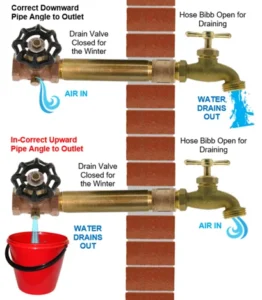
Many outdoor faucets now have a small “vacuum breaker” cap on top. This is a mini anti-siphon valve that protects your home if you leave a hose submerged in a bucket of soapy water or a swimming pool.
4. Anti-Siphon Valve vs. Check Valve: What’s the Difference?
A common question is: “Can’t I just use a check valve?” The answer is usually no.
Check Valve: Uses a spring to close the path. While it stops backflow, it cannot break a vacuum. If the seal is slightly dirty, the vacuum can still pull water through.
Anti-Siphon Valve: Uses air to break the suction. It is considered much safer and is the only type allowed by most municipal building codes for irrigation.
5. Critical Installation Rules
To ensure the valve does its job, it must be installed correctly:
Above Ground: An anti-siphon valve must be installed at least 6 to 12 inches higher than the highest sprinkler head in your yard. If it’s underground, the air vent won’t work, and it can’t break the siphon.
No Downstream Valves: You cannot have another shut-off valve located after the anti-siphon valve, as constant backpressure will prevent the air vent from functioning.
6. Common Signs of Failure
Water Leaking from the Cap: If water is spraying out of the top vent, the internal poppet or diaphragm is likely cracked or clogged with debris.
Low Water Pressure: A blocked valve can restrict flow to your sprinklers.