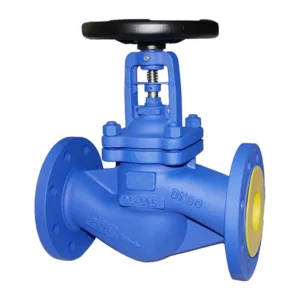
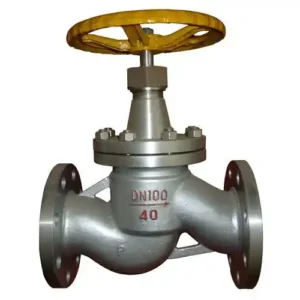
The anti-siphon sprinkler valve is a common fixture, especially in regions requiring backflow prevention. Its unique, dome-shaped bonnet houses a crucial atmospheric vacuum breaker (AVB) assembly, designed to prevent contaminated irrigation water from being sucked back into your potable drinking supply.

When you notice water constantly running or pooling around the valve—a clear sign that an anti siphon valve is leaking—it’s usually due to a failed diaphragm or a compromised vacuum breaker seal. This guide provides a detailed, step-by-step procedure for a successful anti siphon sprinkler valve repair.
🛑 Step 1: Safety First — How to Shut Off the System
Before attempting any work, ensuring the system is depressurized is essential for safety and efficiency. This is the correct way to perform how to turn off anti siphon valve without damaging the components:
Main Water Shut-off: Locate the primary supply shut-off valve (usually a ball valve or gate valve near your water meter or backflow preventer) and turn it OFF.
Relieve Pressure: Turn on the controller for the affected zone for 10–15 seconds to drain any residual pressure trapped in the line.
Confirm Isolation: If you have a separate shut-off valve before the anti-siphon valve manifold, close that as well.
🔧 Tools and Materials Needed
New Diaphragm and Repair Kit: Ensure the kit is specific to your valve brand (e.g., Orbit, Champion, etc.) and size.
Phillips or Flathead Screwdriver (to remove bonnet screws).
Adjustable Wrench (if the vacuum breaker cap is seized).
Clean Towels and Sponges (to soak up water and clean parts).
Small Brush (to gently scrub debris).
🩺 Step 3: Repair Step-by-Step
A. Remove the Bonnet and Solenoid
Unscrew: Using your screwdriver, carefully loosen and remove the screws holding the dome-shaped bonnet (or cap) onto the valve body. Keep the screws safe.
Lift the Bonnet: Gently lift the entire bonnet off the valve body.
Remove Solenoid: Unscrew the solenoid (the cylindrical electrical component) from the bonnet or body.
B. Repair 1: Replace Diaphragm (Fixing Internal Leaks)
Internal leaks (constant flow) are almost always due to the diaphragm failing to seal the main flow port.
Extract: Carefully lift out the old rubber diaphragm from the valve body.
Inspect the Seat: Thoroughly clean the valve seat inside the body. Use a clean cloth or a soft brush to remove any grains of sand, dirt, or sediment. A scratch or piece of debris here will prevent the new diaphragm from seating.
Install New Diaphragm: Place the new diaphragm from your repair kit into the body. Ensure it is aligned perfectly with the guides and that the small weep holes or relief ports are oriented correctly (often a small indicator notch exists).
C. Repair 2: Replace Bonnet Gasket & O-Ring (Fixing External Leaks)
If water is leaking out between the bonnet and the body, the gasket is the issue.
Clean: Clean the gasket channel on the bonnet and the corresponding mating surface on the valve body.
Install New Gasket: Replace the old O-ring or flat gasket with the new one supplied in your repair kit.
D. Repair 3: Replace Vacuum Breaker Cap (Fixing Top Leak)
The leak often comes from the very top vent holes on the dome. This usually means the vacuum breaker cap seal is worn.
How to Remove Anti Siphon Cap: The vacuum breaker cap is the topmost part of the dome. If it’s a separate component, unscrew the cap or release its locking tab/screw.
Replace: Inside, you will find a small float mechanism and an O-ring or washer. Replace the internal rubber components and the cap with the new ones from your kit. This is the specific fix for most leaks originating from the top vent.
💦 Step 4: Reassembly and How to Repressurize System
Reassemble: Screw the solenoid back into its position. Carefully place the repaired or replaced bonnet back onto the valve body.
Tighten Evenly: Insert the bonnet screws and tighten them evenly in a crisscross pattern. This ensures the gasket or O-ring compresses uniformly, preventing leaks. Do not overtighten, as this can crack the plastic body.
Repressurize Slowly: Turn the main water shut-off valve SLOWLY back on. This prevents a sudden surge of water (water hammer) from damaging the freshly repaired seals.
Test Cycle: Run the zone manually from your controller. Verify the valve opens, provides water, and most importantly, shuts off completely and holds the pressure without leaking internally or externally.
🚫 Common Mistakes to Avoid
| Mistake | Consequence | Professional Tip |
| Overtightening Screws | Cracks the plastic bonnet or housing, requiring a full replacement. | Tighten just past finger-tight until snug, ensuring even compression. |
| Using Wrong Parts | Causes guaranteed internal failure, as the weep holes won’t align. | Always use a repair kit matched to the Manufacturer and Model Number stamped on the valve body. |
| Not Cleaning the Seat | Debris prevents the new diaphragm from sealing, leading to a constant leak. | Take the time to meticulously wipe the seat area clean. |
💔 When a Full Replacement Is the Only Option
If the leak persists after cleaning and replacing anti siphon sprinkler valve components (diaphragm, seals), the entire valve may need replacement. This is usually necessary if:
The valve body itself is cracked (often due to freeze damage).
The threads or screw ports on the bonnet or body are stripped, preventing a watertight seal.
The valve is an obsolete model, and you cannot find the necessary repair kits.
A full replacement involves cutting the valve out of the pipeline and installing a new unit of the same size.