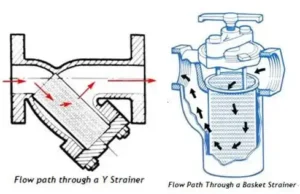
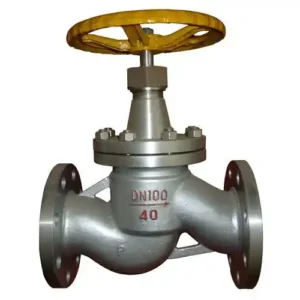
Calculating the pressure drop across a valve is essential for choosing the right valve size, predicting system performance, and preventing issues like noise, cavitation, or insufficient flow. This guide explains what pressure drop is, why it matters, and how to calculate it correctly using simple engineering formulas.
Table of Contents
ToggleWhat Is Pressure Drop Across a Valve?
When fluid flows through a valve, resistance is created by:
The valve’s internal geometry
How far the valve is opened
The flow rate
Fluid density or viscosity
This resistance causes the pressure on the outlet side to be lower than the inlet side—this difference is the pressure drop (ΔP).
Why Pressure Drop Matters
A correct pressure-drop calculation helps you:
Select the right valve size
Ensure stable flow control
Avoid excessive energy loss
Prevent water hammer and cavitation
Improve system efficiency
How to Calculate Pressure Drop Across a Valve
There are multiple methods depending on the data you have, but the most common engineering formula is based on the valve’s flow coefficient provided by manufacturers.
1. Basic Pressure Drop Formula
For water and most low-viscosity liquids:
ΔP = (Q / Valve Coefficient)²
Where:
ΔP = pressure drop
Q = flow rate
Valve Coefficient = published by manufacturer (Cv or Kv depending on region)
Even though this article focuses on pressure-drop calculation, manufacturers will always provide a coefficient for the formula to work.
2. Step-by-Step Example
Given:
Flow rate = 10 units (GPM or m³/h depending on region)
Valve coefficient = 5
Step 1 — Divide flow rate by valve capacity
10 ÷ 5 = 2
Step 2 — Square the result
2² = 4
Result:
Pressure drop = 4 units (psi or bar depending on your chart)
3. How to Calculate Pressure Drop When Fluid Is Not Water
If the liquid has a different density:
ΔP = (Q / Valve Coefficient)² × Specific Gravity
Where:
Specific gravity = fluid density / water density
Example:
If SG = 1.2, then:
ΔP = base value × 1.2
4. Calculating Flow When Pressure Drop Is Known
If you know the pressure drop but need the flow:
Q = Valve Coefficient × √ΔP
This is common in system design when the target ΔP is fixed.
Factors That Affect Pressure Drop
Pressure drop increases when:
1. Flow rate rises
Higher flow = higher resistance.
2. Valve opening is reduced
Partially closed valve = more pressure loss.
3. Valve type changes
Ball, globe, butterfly, gate valves all have different internal geometry.
4. Fluid viscosity increases
Thicker fluids require more pressure to move.
When Is High Pressure Drop a Problem?
Excessive pressure drop can lead to:
Cavitation damage
Noise and vibration
Reduced system efficiency
Undersized valves
Pump overload
As a rule of thumb:
Control valves typically operate with a moderate, predictable pressure drop.
If the drop is unexpectedly large, the valve may be undersized or obstructed.
How to Reduce Pressure Drop
If your system shows excessive pressure drop:
Use a larger valve
Reduce flow velocity
Choose a valve with smoother flow characteristics
Avoid unnecessary throttling
Check for blockages or buildup
Conclusion
Calculating pressure drop across a valve is essential for proper sizing and system performance. By using the basic formula and understanding how flow, density, and valve type affect resistance, you can accurately predict how a valve will behave in your system.