Plastic water valves are widely used in residential plumbing, irrigation systems, aquariums, hydroponics, and various light-industrial applications. They are corrosion-resistant, lightweight, affordable, and compatible with PVC, CPVC, PEX, and other plastic piping systems.
If you’re deciding which plastic valve to use for a project, this guide explains the major plastic valve types, their materials, best-use scenarios, pros and cons, and sizing considerations.
1. Common Plastic Materials Used for Water Valves
Before choosing a valve type, it’s useful to understand the materials:
| Plastic Material | Features | Best Applications |
|---|---|---|
| PVC (Polyvinyl Chloride) | Most common; chemical-resistant; rated for cold water | Irrigation, residential plumbing, pools |
| CPVC (Chlorinated PVC) | Higher temperature resistance than PVC | Hot water supply lines |
| PP (Polypropylene) | Lightweight, excellent chemical resistance | Water filtration, chemical dosing |
| ABS (Acrylonitrile Butadiene Styrene) | Impact-resistant, durable | Low-pressure water systems |
| PVDF (Polyvinylidene Fluoride) | Premium-grade, high purity, chemical-resistant | Industrial and chemical water systems |
2. Types of Plastic Water Valves
Below are the most commonly used plastic valve types in water systems.
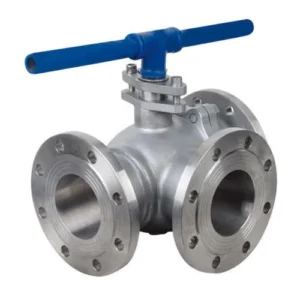
2.1 Plastic Ball Valves (Most Common Type)

How they work:
A rotating ball with a hole either allows or blocks flow.
Best for:
✔ On/off control
✔ Irrigation and garden systems
✔ Residential shutoff points
✔ Tanks & aquariums
Pros:
Quick operation (¼ turn)
Low pressure drop
Affordable
Long service life
Cons:
Not ideal for throttling (flow control)
Popular styles:
Standard ball valve
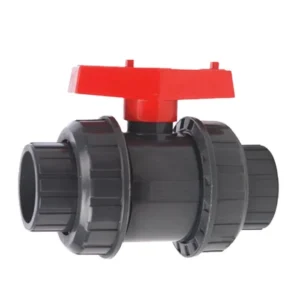
True union ball valve (removable for maintenance)
Compact mini ball valves
2.2 Plastic Gate Valves
How they work:
A wedge-shaped gate lifts and lowers to control flow.
Best for:
✔ Low-pressure water systems
✔ Situations requiring fine control (not precision)
✔ Larger pipe diameters
Pros:
Smooth flow path
Good for full-open/full-close
Cons:
Slower operation
More parts → greater wear potential
2.3 Plastic Globe Valves
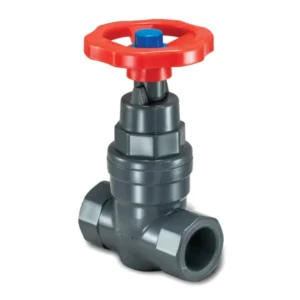
How they work:
A disk moves vertically to throttle and regulate flow.
Best for:
✔ Water pressure adjustment
✔ Flow regulation
✔ Laboratory and water purification setups
Pros:
Excellent throttling accuracy
Fine control
Cons:
Higher pressure drop
More expensive than ball or gate valves
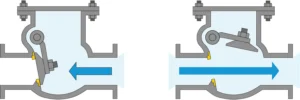
2.4 Plastic Check Valves (Non-Return Valves)

How they work:
Allow water to flow in one direction and prevent backflow.
Types:
Spring check
Swing check
Ball check
Best for:
✔ Preventing backflow
✔ Pumps
✔ Aquariums
✔ Reverse osmosis water systems
Pros:
Protects equipment
Prevents contamination
Cons:
Must be properly sized to ensure cracking pressure
2.5 Plastic Butterfly Valves

How they work:
A rotating disc regulates flow.
Best for:
✔ Large-diameter pipes
✔ Swimming pools
✔ Water treatment plants
Pros:
Lightweight
Good for throttling
Cost-effective for big pipes
Cons:
Not ideal for small-diameter residential water lines
2.6 Plastic Needle Valves

How they work:
A tapered needle adjusts flow precisely.
Best for:
✔ Laboratory water systems
✔ Chemical dosing
✔ Aquarium drip lines
✔ Fine-adjustment irrigation
Pros:
Precision flow control
Cons:
Not suitable for high-volume flow
2.7 Plastic Solenoid Valves (Electrically Operated)

How they work:
An electromagnetic coil opens and closes the valve.
Best for:
✔ Automated irrigation
✔ Water filtration
✔ Smart home plumbing systems
Pros:
Automatic
Works with timers and sensors
Cons:
Requires power
Limited pressure ratings compared to metal solenoids
3. Choosing the Right Plastic Water Valve
Here is a quick selection guide:
| Application | Recommended Valve Type |
|---|---|
| Home garden & irrigation | Ball valve, solenoid valve |
| Aquarium / hydroponics | Ball valve, needle valve, check valve |
| Household shutoff | Ball valve (PVC or CPVC) |
| Water filtration systems | PP / PVDF ball or check valves |
| Low-pressure plumbing | Gate valve, ball valve |
| Precision flow control | Needle valve or globe valve |
| Large-diameter water lines | Butterfly valve |
4. Advantages of Plastic Valves vs. Metal Valves
| Plastic Valves | Metal Valves |
|---|---|
| Corrosion-free | Susceptible to corrosion |
| Lightweight | Heavy |
| Cheaper | More expensive |
| Chemical resistant | Limited chemical compatibility |
| Easy to install | Requires more tools |
Plastic valves are ideal for non-high-temperature, non-high-pressure environments.
5. Final Thoughts
Plastic water valves come in many types, each suited to specific plumbing, irrigation, and fluid-handling needs. Whether you need a simple water shutoff, a backflow prevention solution, or precise flow control, choosing the correct valve type will ensure long-term reliability and performance.