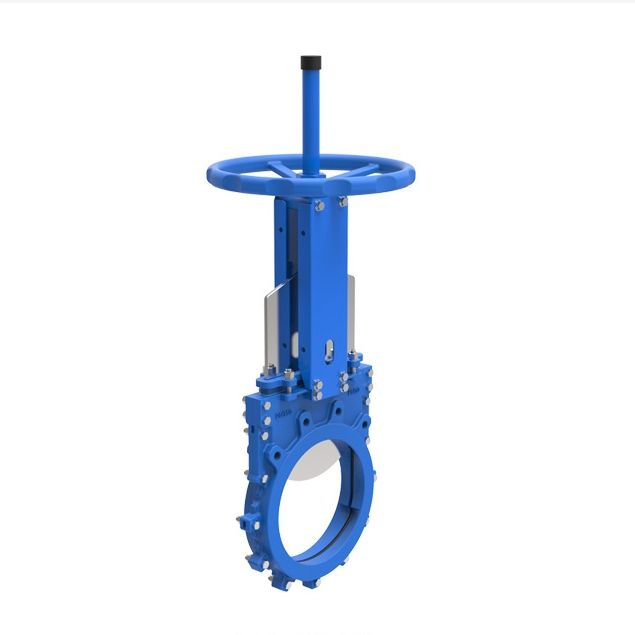
Pulp & Paper Knife Gate Valves
In pulp and paper mills, handling fibrous slurries, stock, and recycled paper materials requires valves that can resist clogging, cut through fibers, and provide reliable shut-off. Pulp & Paper knife gate valves are specially engineered for this demanding industry — ensuring smooth operation, minimal downtime, and long service life.
TOT pulp & paper knife gate valves feature a sharp-edged blade that slices through fibrous media, preventing buildup and jamming in the pipeline. With full bore flow design and corrosion-resistant construction, these valves are ideal for continuous operation in pulp stock pipelines, bleaching plants, black liquor lines, and wastewater treatment systems.
Heavy-Duty Stainless Steel or Duplex Construction: Withstands fibrous and corrosive pulp slurries.
Self-Cleaning Blade Design: Prevents clogging from fibers or sticky residues.
Customizable for Mill Operations: Available in wafer, lug, or flanged connections with manual or automated actuation.
Factory-Tested Performance: Hydro and seat tested to international standards before delivery.
ISO, CE, and API Certified Manufacturing: Backed by global quality compliance and engineering excellence.
👉 Contact TOT today to reduce downtime and optimize your pulp & paper mill flow control.
Let’s Help You Specify the Right Knife Gate Valve
Be careful when choosing a new valve supplier, the disappointment of poor quality can last much longer than the joy of a low price!
Core Design Characteristics for Pulp & Paper
The design focuses heavily on the gate’s cutting action and the valve’s ability to resist the stringy, sticky nature of the media:
1. Gate Design: Beveled and Polished Edge
Cutting Action: The knife gate blade features a beveled or sharpened bottom edge. This is crucial for cutting through high-consistency stock, wood chips, fiber knots, and reject materials without damaging the sealing components.
Wiper Function: The blade’s surfaces are often highly polished. As the gate retracts, the smooth surface interacts with the sealing elements to wipe clean any residual stock, preventing fiber build-up on the blade itself.
2. Valve Body Structure: Non-Clogging Cavity
Minimal Recesses: The body design minimizes or eliminates internal pockets, recesses, or dead spaces. This prevents the accumulation and hardening of paper stock, which is the primary cause of valve jamming in this industry.
Flushing Ports: Many designs include flush ports (or clean-out ports) to allow operators to inject air, water, or steam directly into the seat area to remove hardened debris and clear the gate path when necessary.
3. Sealing System: Resilient U-Cup or Replaceable Seats
Seal Type: Sealing is typically achieved using durable, resilient materials like PTFE or EPDM in a U-cup or seat ring configuration. This provides tight shut-off against low-pressure fibrous stock.
High-Pressure/Corrosive Lines: For black liquor or bleach lines (which are both highly corrosive), the gate material may be Duplex Stainless Steel or the valve body may incorporate a full liner (like PTFE) to protect the metal components.
Pulp & Paper Knife Gate Valve Data Sheet
| Parameter | Details |
|---|---|
| Body Material | Stainless Steel (SS304 / SS316) / Duplex Steel / Lined |
| Gate Material | Stainless Steel / Duplex |
| Seat Options | EPDM, PTFE, Metal Seat |
| Packing | PTFE, Graphite, Braided Aramid |
| Pressure Rating | PN10 / PN16 / ANSI 150 |
| Face-to-Face | Customizable |
| Connection | Wafer / Lug / Flanged |
| Actuation | Manual, Chainwheel, Electric, Pneumatic, Hydraulic |
Why Choose Pulp & Paper Knife Gate Valves?
Anti-Clogging Performance: Blade design cuts through fibers and prevents stock buildup.
Corrosion Resistance: Suitable for bleaching chemicals, black liquor, and process water.
Reliable Shut-Off: Even with fibrous or sticky slurries.
Easy Maintenance: Replaceable seats, packings, and gate options reduce downtime.
Versatile Operation: From stock preparation to wastewater treatment.
How Our Pulp & Paper Knife Gate Valves Are Built for Performance
Full Bore Flow: Ensures uninterrupted pulp stock movement with minimal turbulence.
Razor-Sharp Gate: Designed to cut through long fibers and prevent clogging.
Corrosion-Resistant Construction: Stainless or duplex steel resists aggressive chemicals.
Multiple Actuation Options:
Manual (Handwheel or Chainwheel)
Electric Actuator
Pneumatic Cylinder
Hydraulic Actuator
Flexible Seat Options: Soft seat for bubble-tight shut-off, or metal seat for abrasive stock.
Zero Leakage to Atmosphere: Advanced packing systems with scraper rings and optional O-rings.
Available Sizes & Ratings
Size Range: DN50–DN1200 (2″–48″)
Pressure Class: PN10 / PN16 / ANSI 150 / custom available
Temperature Range: Up to 250°C depending on seat and packing
Applications in the Pulp & Paper Industry
Stock Preparation: Handles fibrous slurry without clogging.
Bleaching Plants: Resists aggressive chemicals.
Black Liquor Lines: Withstands high temperature and corrosive conditions.
Recycled Paper Mills: Cuts through sticky pulp and debris.
Effluent & Wastewater Treatment: Controls sludge and slurry flows.
Optional Features
Purge Ports: Prevent fiber buildup
Position Indicator: Remote valve status feedback
Extended Stem or Gearbox: For remote or deep installations
Polished / Sanitary Finish: For food-grade or clean process lines
Dust Covers & Scrapers: Enhance sealing reliability in fibrous slurry
* We are not just providing simple quotes but experts in selection, calculation, and drawing.
Pulp & Paper Knife Gate Valve – FAQ
A specialized knife gate valve designed to cut through fibrous pulp stock, prevent clogging, and provide reliable shut-off in pulp & paper processes.
Fibrous slurries, pulp stock, recycled paper slurry, black liquor, bleaching chemicals, and mill wastewater.
The sharp-edged blade cuts through fibers, while purge ports and scraper rings prevent buildup on sealing surfaces.
Yes — electric, pneumatic, or hydraulic actuators can be installed for process automation.
Routine inspection of seats, packings, and blade edges; designed for long service in fiber-rich media.