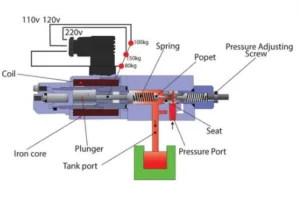
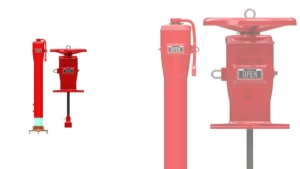
An anti-siphon valve plays a crucial role in preventing unwanted reverse flow—whether it’s fuel in an engine system or water in an irrigation setup. When this valve fails, it can lead to performance issues, safety concerns, and system malfunctions.
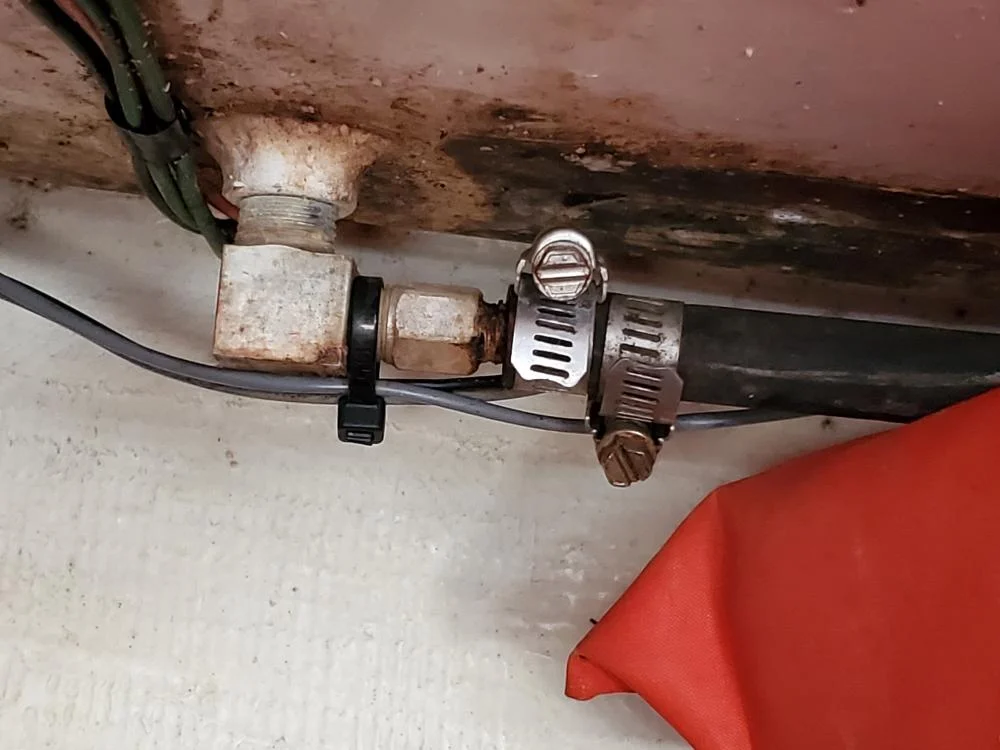
This guide covers the most common symptoms of a bad anti-siphon valve, how to diagnose the problem, and when to replace the valve.
1. What Does an Anti-Siphon Valve Do?
Before identifying symptoms, it’s important to understand its function:
Fuel System Anti-Siphon Valve
Prevents fuel theft
Stops reverse flow
Ensures stable one-way fuel delivery
Irrigation Anti-Siphon Valve
Prevents contaminated water from backflowing into clean supply
Uses vacuum-breaker action
Must be installed above all emitters
When the valve becomes clogged, stuck, or damaged, the system starts showing warning signs.
2. Symptoms of a Bad Anti-Siphon Fuel Valve
(For cars, trucks, marine engines, generators, and gas tanks)
If the anti-siphon valve is blocked or malfunctioning, the fuel system will typically show these symptoms:
1) Hard Starting or Failure to Start
A restrictive or stuck valve reduces fuel flow.
The engine may:
Crank longer than usual
Start and stall
Fail to start completely
This is one of the most common symptoms.
2) Engine Hesitation or Surging
The valve may intermittently open and close due to debris or a weak spring.
Symptoms include:
Jerking during acceleration
Uneven throttle response
Sudden loss or return of power
3) Loss of Power at High RPM
If the valve limits flow, the engine starves at high demand.
You may notice:
Poor top-end performance
Inability to reach normal speed
Engine bogging under load
4) Fuel Starvation
A failing valve can cause insufficient fuel delivery.
Signs include:
Stalling while driving
Reduced fuel pressure
Engine misfires
5) Difficulty Refueling
If the anti-siphon device is located at the tank’s filler neck, it may:
Cause pump shutdown
Make refueling slow and difficult
Create overflow or back-spill
6) Unusual Suction or Vacuum in the Tank
A stuck anti-siphon valve combined with a blocked tank vent can create:
Whistling sound when cap is removed
Tank collapsing (rare but severe)
This signals improper flow through the valve.
7) Fuel Leak or Strong Fuel Odor
If the valve housing cracks or seals fail:
Fuel can leak under pressure
Odor may appear near tank or fuel line
This is a safety hazard and requires immediate repair.
3. Symptoms of a Bad Anti-Siphon Valve in Irrigation Systems
(For sprinkler systems, hose bibs, and vacuum-breaker valves)
1) Water Leaking or Dripping from the Valve
Damaged seals or internal corrosion can cause:
Constant dripping
Leaks from the anti-siphon vent cap
Often seen when system is pressurized.
2) Sprinkler Zones Not Turning On
A stuck anti-siphon valve prevents flow into the irrigation line.
You may notice:
Weak sprinkler pressure
Zones failing to activate
Uneven spray patterns
3) Water Hammer or Noisy Operation
Internal parts may be loose or worn.
4) Backflow into the Supply Line
If an anti-siphon valve fails completely, it may stop providing backflow protection—posing a contamination risk.
5) Constant Water Flow Even When Turned Off
A damaged plunger or diaphragm can keep the valve stuck open.
4. What Causes an Anti-Siphon Valve to Fail?
Fuel Systems
Debris or dirt in fuel
Corrosion
Weak or broken internal spring
Ethanol-related material degradation
Incorrect installation
Irrigation Systems
Mineral buildup
Freeze damage
UV exposure (for cheap plastics)
High-pressure water surges
Aging seals and diaphragms
5. How to Diagnose a Failing Anti-Siphon Valve
Fuel System Diagnosis
Check fuel pressure at different RPMs
Inspect valve for clogging or corrosion
Test flow by bypassing the valve temporarily (for diagnosis only)
Listen for clicking or restricted flow
Irrigation System Diagnosis
Turn system on zone-by-zone
Check for leaks or flow restriction
Inspect vacuum breaker function
Replace the top assembly to test diaphragm condition
6. When to Replace the Valve
You should replace the anti-siphon valve if:
Internal parts are corroded or stuck
Fuel flow is restricted
The valve leaks or produces strong odor
It no longer provides backflow protection
It repeatedly causes system performance issues
Most valves are not serviceable — replacement is the safest option.
7. Conclusion
A bad anti-siphon valve can cause:
Hard starting
Fuel starvation
Weak irrigation pressure
Leaks
System failure
Recognizing the symptoms early prevents costly damage and ensures the safety and efficiency of your fuel or water system.