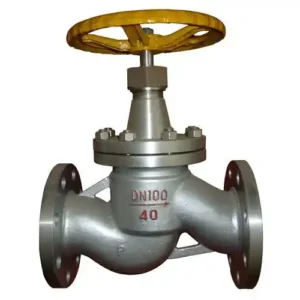
In fluid control systems, a valve is only as good as its ability to hold pressure. Valve pressure testing is a mandatory quality control process—conducted during factory exit, pre-installation, or post-maintenance—to ensure the structural integrity and sealing reliability of the unit.
Failure to perform rigorous testing can lead to catastrophic leaks, shell ruptures, or system downtime. This guide breaks down the two primary types of pressure tests: the Shell Test and the Seat Test, following global standards like API 598 and ISO 5208.
1. Core Categories of Valve Pressure Testing
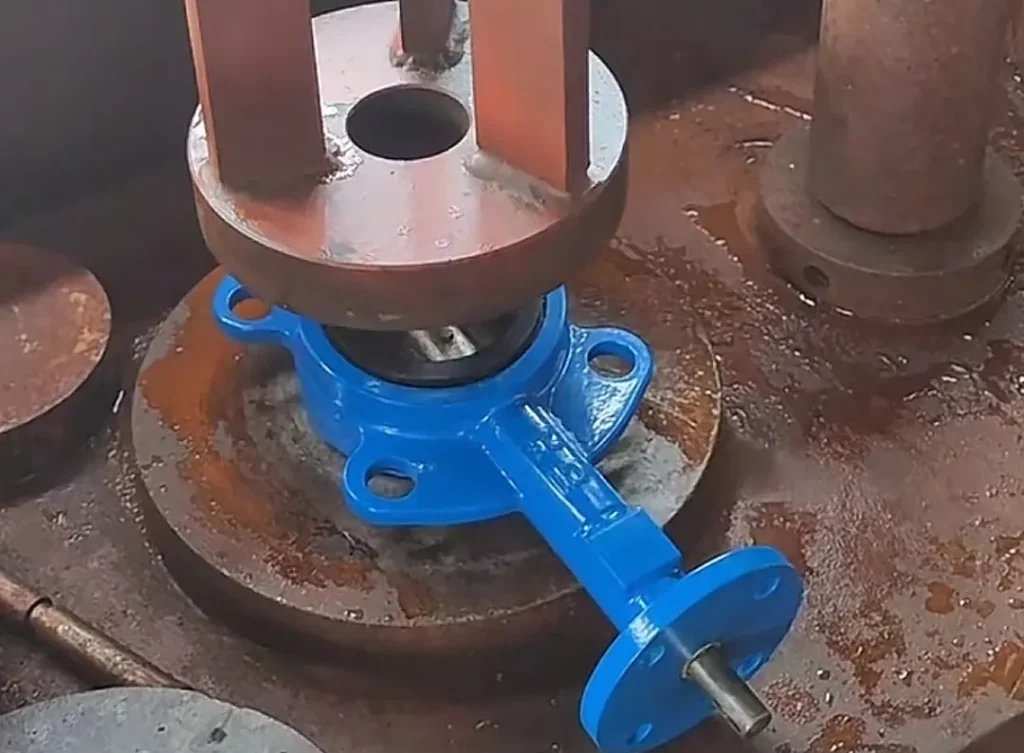
A. Shell Strength Test (1.5x PN)
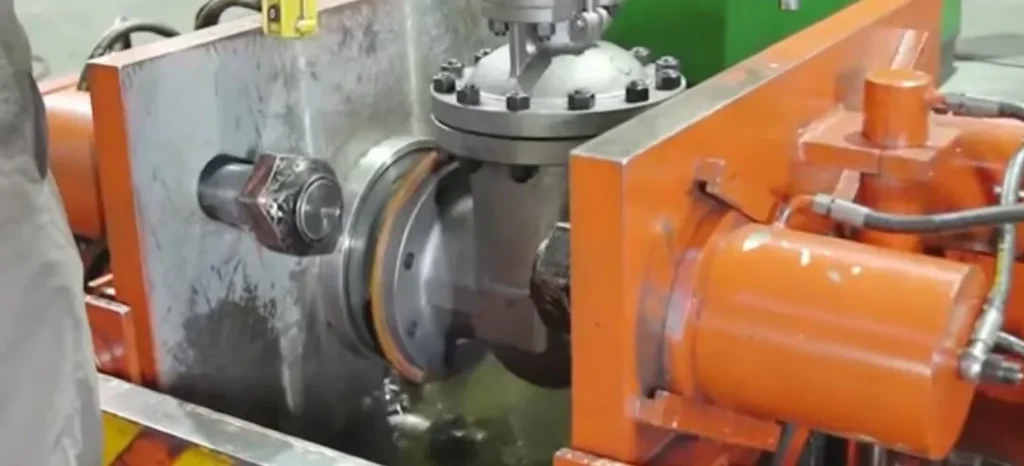
The Shell Test targets the valve body and bonnet. It verifies the strength of the casting or forging and ensures there are no porosities, welding defects, or structural weaknesses.
Procedure: The valve is placed in a partially open position, and the ends are blinded. Fluid is pumped into the cavity to a pressure of 1.5 times the Nominal Pressure (PN).
Objective: To confirm the “safety redundancy” of the valve against water hammer or sudden pressure surges.
Acceptance: No visible leakage, “sweating,” or permanent deformation of the shell is permitted.
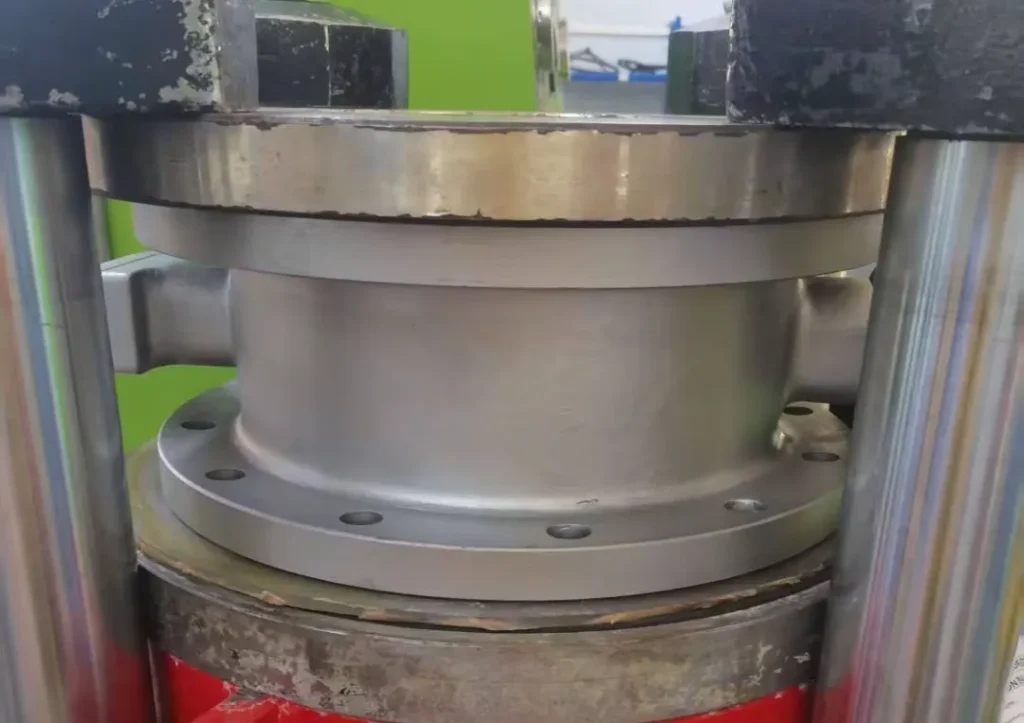
B. Seat/Closure Performance Test (1.1x PN)
The Seat Test (also known as the Closure Test) evaluates the internal seal between the disc/ball and the valve seat, as well as external seals like the packing box and gaskets.
Inner Seal Test: The valve is fully closed. Pressure is applied to one side at 1.1 times the PN, and the downstream side is monitored for leakage.
Outer Seal Test: Evaluates the stem packing and flange joints under rated pressure.
Objective: To ensure the valve can reliably isolate the medium when shut off.
2. Global Pressure Standards (Unit: bar / PSI)
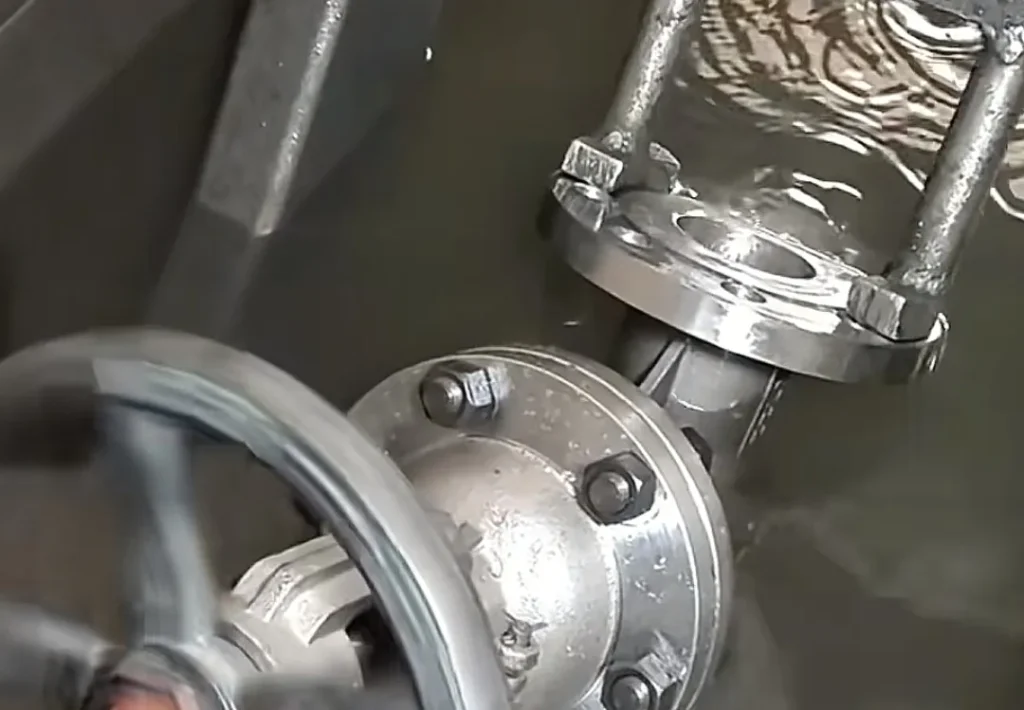
Valve testing pressures are not arbitrary; they are determined by the Nominal Pressure (PN) or ASME Class. Following API 598 (the most common international standard), the rules are generally as follows:
| Test Type | Test Pressure Formula | Criteria for Success |
| Shell Test | 1.5 ×PN | Zero leakage / No deformation |
| High-Pressure Seat | 1.1 × PN | Zero leakage (Soft) / Per API 598 (Metal) |
| Low-Pressure Seat | 4 to 7 bar (60-100 PSI) | Used for gas/air tightness |
Common Examples:
PN16 Valve: Shell test at 24 bar; Seat test at 17.6 bar.
PN100 Valve: Shell test at 150 bar; Seat test at 110 bar.
3. Specialized Testing Requirements
Soft-Seated Valves: (e.g., PTFE or Rubber seats) Generally require zero visible leakage during the seat test.
Metal-to-Metal Seated Valves: A slight allowable leakage rate is often permitted, classified by “Leakage Rates” (e.g., Rate A, B, C, D) as defined in ISO 5208.
Gas Service Valves: For valves handling air or nitrogen, a Pneumatic Leak Test is performed using dry air or nitrogen at low pressure to check for bubbles using a soap solution.
4. Operational Best Practices & Safety
Medium Selection: Clean water is the standard. For stainless steel valves, the chloride content must be < 25 ppm to prevent stress corrosion cracking.
Air Removal: All air must be purged from the valve cavity before pressurizing. Trapped air can store significant energy, posing a safety risk if the shell fails.
Safety Zones: Testing areas must be cordoned off. High-pressure testing (especially gas) requires protective shielding and safety helmets for all personnel.
Holding Time: The pressure must be held for a minimum duration (usually 60 to 120 seconds for smaller valves, longer for larger diameters) to ensure a stable reading.
5. The Value of Certified Testing
Unchecked valves are a liability. In industries like Oil & Gas, Power Generation, and Chemical Processing, pressure test data serves as the foundation for quality acceptance. At tot valve, every valve is subjected to these rigorous protocols to ensure that when it reaches your site, it is ready for safe, long-term operation.