When you need to repair your toilet, replace a fill valve, or stop a leak, the most important component you’ll touch is the toilet water shut off valve. But not all valves are the same—different toilets and plumbing systems use different styles, technologies, and materials.
This guide explains every type of toilet shut off valve, how they work, how to identify them, and which one is best for replacements.
What Is a Toilet Shut Off Valve?
A toilet shut off valve (also called a stop valve or angle stop valve) is the small valve located on the wall or floor behind your toilet.
Its job is simple:
Let you stop the flow of water to the toilet
Allow safe repairs and maintenance
Control water supply to prevent flooding during emergencies
Most valves connect the main plumbing line → toilet supply line → tank.
Main Types of Toilet Water Shut Off Valves
There are 6 common types used in residential plumbing.
1. Angle Stop Valve (Most Common)

The most widely used toilet shut off valve.
What it looks like
Installed on the wall, valve outlet points upward toward the toilet.
90-degree angle shape (hence the name).
How it works
A handle opens/closes flow through a compression or threaded connection.
Best for
Modern homes
Easy replacement
Standard toilets
Connection types
Compression (most common)
Threaded (FIP/MIP)
Push-to-connect (SharkBite)
2. Straight Stop Valve

Used when the supply line comes from the floor, not the wall.
Features
Inlet and outlet are in a straight line
Not angled like an angle stop
Best for
Floor-fed toilet water supplies
Older homes with ground-level supply pipes
3. Multi-Turn Stop Valve

A traditional design requiring several rotations to open or close.
Pros
Affordable
Simple mechanism
Cons
Rubber washer inside wears out
Prone to leaking
Harder to shut off during emergencies
Used in
Older homes (pre-1990s)
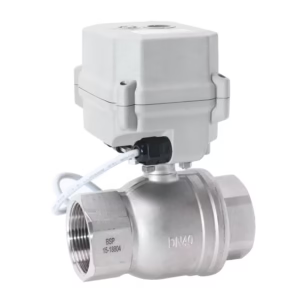
4. Quarter-Turn Ball Valve (Best & Most Reliable)

The modern upgrade for toilet shut off valves.
How it works
Inside is a brass or stainless steel ball that rotates 90° to open or close the water flow.
Advantages
Fast emergency shut-off
Leak-resistant
Lasts 20+ years
Smooth operation
No rubber washer to fail
Best choice for replacements
If you are upgrading your valve, use a 1/4-turn ball valve.
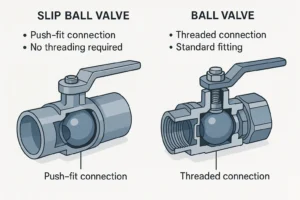
5. Push-to-Connect (SharkBite-Style) Shut Off Valve

Modern DIY-friendly design.
Features
Simply push the valve onto copper, PEX, or CPVC pipe
No soldering, no glue, no tools
Pros
Very fast installation
Great for emergency repairs
Cons
More expensive than compression valves
Not preferred for behind-wall permanent installations (but fine for toilet stops)
6. Sweat (Soldered) Stop Valve
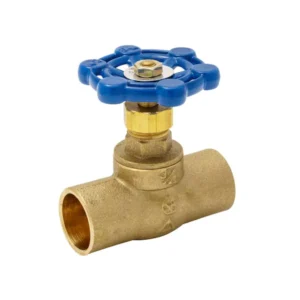
Common in older homes with copper tubing.
Characteristics
Valve inlet is soldered (“sweated”) onto the copper pipe
Requires torch, flux, and solder
Pros
Permanent, leak-resistant
Clean appearance
Cons
Requires plumbing skill
Harder to replace
Heat risks damaging walls or finishes
Comparison Table: Toilet Shut Off Valve Types
| Valve Type | Best For | Lifespan | Difficulty | Notes |
|---|---|---|---|---|
| Angle Stop Valve | Wall-fed toilets | 10–20 years | Easy | Most common |
| Straight Stop Valve | Floor-fed toilets | 10–20 years | Easy | Similar to angle stop |
| Multi-Turn Valve | Older homes | 5–15 years | Easy | Prone to leaks |
| Quarter-Turn Ball Valve | Best replacement | 20–30 years | Easy | Most reliable |
| Push-to-Connect Valve | DIY installation | 20–25 years | Very easy | “SharkBite” type |
| Sweat/Soldered Valve | Copper plumbing | 20+ years | Hard | Requires a torch |
Which Valve Type Do You Have? (Identification Guide)
Look at the inlet pipe direction
Pipe from wall → angle stop
Pipe from floor → straight stop
Look at the handle
Round handle, multiple turns → multi-turn valve
Short lever handle → quarter-turn ball valve
Look at the connection
Hex nut → compression fitting
Soldered copper → sweat valve
“Slip-on” metal collar → push-to-connect
Best Toilet Shut Off Valve for Replacements
The recommended modern choice is:
✔ Quarter-Turn Angle Stop Valve (Compression or Push-to-Connect)
Why it’s best:
Fast shutoff
Extremely reliable
Long lifespan
Resistant to wear
Easy DIY installation
If you want “install and forget,” choose quarter-turn ball valves.
When Should You Replace a Toilet Shut Off Valve?
Replace your valve if you see:
Leaking around the handle
Valve won’t fully shut off
Cracking, corrosion, or rust
Valve is older than 10–15 years
Multi-turn valve becoming stiff or stuck
How Much Does It Cost to Replace a Toilet Shut Off Valve?
| Item | Cost |
|---|---|
| New valve | $7–$25 |
| Plumber cost | $120–$250 |
| DIY cost | $10–$20 |
Push-to-connect valves cost more ($15–$25) but are worth it for DIYers.
Frequently Asked Questions
1. Are toilet shut off valves universal?
The valve function is universal, but pipe connections vary (compression, threaded, soldered, push-to-connect).
2. Should I use a 1/4-turn valve?
Yes. It’s the best modern option for durability and safety.
3. Can I replace a multi-turn valve with a ball valve?
Absolutely—this is the most common upgrade.
4. What size is a toilet shut off valve?
Most are 3/8″ OD compression outlet with a 1/2″ inlet (compression or FIP).
Final Thoughts
There are several types of toilet shut off valves, but the best choice today is the quarter-turn angle stop valve. It offers the longest lifespan, easiest operation, and the lowest risk of leaks.
If you’re updating an old bathroom or fixing a leaking stop valve, replacing it with a ball-type valve is the smartest long-term solution.