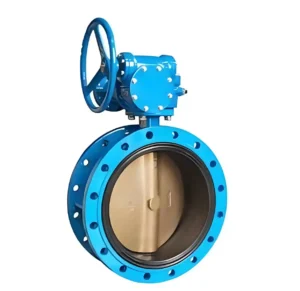
A pressure reducing valve (PRV) is a valve that automatically reduces high incoming water pressure to a lower, safer outlet pressure. Also called a pressure regulator or water pressure valve, it protects your home’s plumbing, fixtures, and appliances from damage caused by excessive water pressure—while ensuring consistent, comfortable water flow throughout your house.

If your home receives water at high pressure from the municipal supply (common in hilly areas or near water towers), a PRV valve is essential for preventing burst pipes, leaky faucets, and premature appliance failure. In this guide, we’ll explain how pressure reducing valves work, where they’re located, and why every home with high water pressure needs one.
What Does a Pressure Reducing Valve Do?
The purpose of a pressure reducing valve is to take high-pressure water from the main supply and reduce it to a safe, usable pressure for your home.
The Problem: High Water Pressure
Municipal water systems often deliver water at 80-150 PSI (pounds per square inch) or higher. While this high pressure is necessary to push water through miles of pipes and up to elevated areas, it’s too much for residential plumbing.
High water pressure causes:
- Burst pipes and fitting failures
- Leaky faucets and running toilets
- Water hammer (banging pipes)
- Shortened appliance lifespan (dishwashers, washing machines, water heaters)
- Wasted water and higher utility bills
- Excessive wear on fixtures and valves
The Solution: Pressure Reducing Valve
A PRV water valve automatically reduces incoming pressure to a safe level—typically 50-60 PSI for residential use.
| Without PRV | With PRV |
|---|---|
| 100+ PSI at fixtures | 50-60 PSI (adjustable) |
| Stressed pipes and fittings | Protected plumbing system |
| Appliances wear out faster | Extended appliance life |
| Water waste from high flow | Efficient water usage |
| Risk of catastrophic failure | Peace of mind |
How Does a Pressure Reducing Valve Work?
Understanding the pressure reducing valve working principle helps you appreciate why these devices are so reliable.
PRV Valve Working Principle
         High Pressure           Low Pressure
         (Inlet Side)            (Outlet Side)
              │                       │
              ▼                       ▼
    ══════════╪═══════════════════════╪══════════
              │     ┌─────────┐       │
              │     │  Spring │       │
              │     │    ↓    │       │
              │     │ ┌─────┐ │       │
              │     │ │Disc │ │       │
              │     │ └──┬──┘ │       │
              │     │    │    │       │
    ──────────┴─────┴────┼────┴───────┴──────────
                    ┌────┴────┐
                    │  Seat   │
                    └─────────┘

    Spring pushes disc toward seat (closing)
    High inlet pressure pushes disc open
    Outlet pressure pushes back against diaphragm
    Balance determines opening = controlled outlet pressure
How Pressure Reducing Valves Work: Step by Step
1. High-Pressure Water Enters
- Water from the main supply enters the PRV at high pressure
- This pressure pushes against the valve’s internal disc or piston
2. Spring Sets the Outlet Pressure
- An adjustable spring pushes the disc toward the closed position
- Spring tension determines the target outlet pressure
- Tightening the adjustment screw increases outlet pressure
3. Balance Is Achieved
- The disc finds a balance point between:
- Inlet pressure pushing it open
- Spring force pushing it closed
- Outlet pressure (via diaphragm) pushing it closed
- This balance automatically maintains consistent outlet pressure
4. Self-Regulating Operation
- If outlet pressure drops (faucet opens), disc opens more to allow more flow
- If outlet pressure rises (faucet closes), disc closes more to restrict flow
- Continuous automatic adjustment maintains set pressure
Does a Pressure Reducing Valve Reduce Flow?
No—a PRV reduces pressure, not flow. The valve adjusts its opening to deliver whatever flow is demanded at the set pressure. However:
- At very high flow rates, there may be some pressure drop
- Undersized PRVs can restrict flow (proper sizing is important)
- A properly sized PRV provides full flow at reduced pressure
Where Is the Pressure Reducing Valve Located?
Knowing your pressure reducing valve location is important for maintenance and troubleshooting.
Where Is the Pressure Reducing Valve Located in a House?
The water pressure reducing valve location is typically:
Most common locations:
- Near the main shutoff valve: Where the water line enters your home
- After the water meter: On the house side of the meter
- In the basement or crawl space: Along the main water line
- In a utility closet: Near the water heater
- At the front of the house: Where the service line comes in from the street
How to Find Your PRV
Look for:
- A bell-shaped or dome-shaped brass device
- Located on the main water line (typically 3/4″ to 1″ pipe)
- Has an adjustment screw on top (usually with a locknut)
- Positioned after the main shutoff and meter
Street → [Water Meter] → [Main Shutoff] → [PRV] → House Plumbing
                                           ↑
                                    Usually here
Where Is My Pressure Reducing Valve If I Can’t Find It?
If you can’t locate your PRV:
- Check near the water heater: Often installed nearby
- Look in the garage: Common location in some homes
- Inspect the basement ceiling: May be mounted on overhead pipes
- You may not have one: Older homes or low-pressure areas may not have a PRV installed
Pressure Reducing Valve for Home
A home pressure reducing valve is essential for protecting your residential plumbing system.
When Do You Need a PRV for Your Home?
You need a pressure reducing valve if:
- Incoming water pressure exceeds 80 PSI
- You experience water hammer (banging pipes)
- Faucets spray aggressively when opened
- Toilets run frequently or fixtures leak
- You’re in a hilly area or near a water tower
- Your water utility reports high system pressure
Ideal Home Water Pressure
| Pressure Range | Status | Action Needed |
|---|---|---|
| Under 40 PSI | Too low | May need booster pump |
| 40-60 PSI | Ideal | Optimal for most homes |
| 60-80 PSI | Acceptable | Monitor for issues |
| Over 80 PSI | Too high | PRV required |
Most plumbing codes require pressure reducing valves when supply pressure exceeds 80 PSI.
Benefits of Installing a Pressure Reducing Valve for Home
| Benefit | How It Helps |
|---|---|
| Protects plumbing | Prevents pipe bursts, fitting failures |
| Extends appliance life | Dishwashers, washers, water heaters last longer |
| Reduces water waste | Lower pressure = less water used |
| Quieter plumbing | Eliminates water hammer and pipe noise |
| Consistent pressure | Same comfortable pressure at all fixtures |
| Lower utility bills | Less water waste, fewer repairs |
Types of Pressure Reducing Valves
Different applications require different pressure reducing valve types.
By Operating Mechanism
Direct Acting PRV
- How it works: Spring directly opposes inlet pressure
- Advantages: Simple, reliable, low cost
- Best for: Residential, light commercial
- Accuracy: ±10-15% of set pressure
Pilot Operated PRV
- How it works: Small pilot valve controls larger main valve
- Advantages: More accurate, handles larger flows
- Best for: Commercial, industrial, high-flow applications
- Accuracy: ±1-2% of set pressure
By Application
| Type | Application | Features |
|---|---|---|
| Residential PRV | Home water supply | Compact, 3/4″-1″, adjustable 25-75 PSI |
| Commercial PRV | Buildings, irrigation | Larger sizes, higher capacity |
| Industrial PRV | Process systems | Wide pressure range, special materials |
| Steam PRV | Boiler systems | High temperature, special construction |
Pressure Reducing Valve Sizes
| Size | Typical Use | Flow Capacity |
|---|---|---|
| 1/2″ | Small fixtures, equipment | Low flow |
| 3/4″ | Residential homes | Most single-family homes |
| 1″ | Larger homes, small commercial | Higher flow demand |
| 1-1/2″ to 2″ | Commercial buildings | High flow applications |
| 3″ to 4″ | Large commercial, industrial | Very high flow |
Pressure Reducing Valve vs Pressure Regulator
Are they the same thing? Essentially, yes.
- Pressure reducing valve (PRV): Technical/industry term
- Pressure regulator: Common/consumer term
- Water pressure regulator: Specifically for water systems
- PRV valve: Redundant but commonly used
All these terms refer to valves that reduce and regulate downstream pressure to a set value.
How to Adjust a Pressure Reducing Valve
Most residential PRVs are adjustable. Here’s how:
Adjustment Procedure
- Locate the adjustment screw: On top of the PRV (may have a cap or locknut)
- Check current pressure: Use a pressure gauge on a hose bib
- Loosen the locknut: If present
- Turn the adjustment screw:
- Clockwise = Increase pressure
- Counterclockwise = Decrease pressure
- Make small adjustments: 1/4 turn at a time
- Check pressure again: Allow system to stabilize
- Tighten locknut: When desired pressure is achieved
Recommended Settings
| Application | Recommended Pressure |
|---|---|
| Residential | 50-60 PSI |
| With expansion tank | 50 PSI typical |
| Maximum recommended | 75 PSI |
| Minimum for comfort | 40 PSI |
PRV Valve Maintenance and Troubleshooting
Signs Your PRV Needs Attention
| Symptom | Possible Cause |
|---|---|
| Fluctuating pressure | Worn diaphragm or debris |
| Pressure too high | Failed PRV (stuck open), needs replacement |
| Pressure too low | Debris blockage, PRV needs cleaning |
| Leaking from PRV | Failed seals, internal damage |
| Hammering noise | PRV hunting/oscillating, may need adjustment |
PRV Lifespan
- Typical lifespan: 7-12 years
- Hard water areas: May need replacement sooner
- Signs of age: Corrosion, leaking, inconsistent pressure
- Preventive replacement: Consider replacing after 10 years
How to Test Your PRV
- Get a pressure gauge: Screw-on type for hose bibs ($10-20)
- Attach to outdoor faucet: Closest to PRV is best
- Open faucet fully: Check pressure reading
- Compare to set pressure: Should match PRV setting
- Test at different times: Morning vs. evening, during peak usage
PRV Installation Considerations
Professional vs DIY Installation
| Factor | Professional | DIY |
|---|---|---|
| Cost | $150-400+ | $50-150 (parts) |
| Time | 1-2 hours | 2-4 hours |
| Permits | Handled | May be required |
| Warranty | Often included | Parts only |
| Complexity | Not a concern | Moderate skill needed |
Installation Requirements
- Location: After meter and main shutoff
- Orientation: Most install vertically, check manufacturer specs
- Strainer: Install upstream strainer to protect PRV
- Access: Allow room for future adjustment and replacement
- Expansion tank: May be required with PRV installation (check local codes)
Frequently Asked Questions
How do I know if I need a pressure reducing valve?
Test your water pressure with a gauge. If it exceeds 80 PSI, you need a PRV. Signs of high pressure include banging pipes, leaky fixtures, and aggressive faucet spray.
Can a PRV fail?
Yes. PRVs typically last 7-12 years. Failure modes include stuck open (high pressure), stuck closed (low pressure/no flow), or leaking. Regular testing helps catch problems early.
Will a PRV reduce my water flow?
A properly sized PRV will not noticeably reduce flow. It reduces pressure while maintaining flow capacity. Undersized PRVs can restrict flow.
Do all homes have pressure reducing valves?
No. Homes in low-pressure areas or older homes may not have PRVs. If your water pressure is consistently below 80 PSI, you may not need one.
Can I adjust my PRV myself?
Yes, most residential PRVs have an adjustment screw. Turn clockwise to increase pressure, counterclockwise to decrease. Make small adjustments and test with a pressure gauge.
Conclusion
A pressure reducing valve is a simple but essential device that protects your home’s plumbing system from the damaging effects of high water pressure. By automatically reducing incoming pressure to a safe 50-60 PSI, a PRV extends the life of your pipes, fixtures, and appliances while providing comfortable, consistent water pressure throughout your home.
Key takeaways:
- PRV valves reduce high incoming water pressure to a safe, consistent outlet pressure
- They work automatically using a spring-loaded mechanism that balances inlet and outlet pressure
- Located where the main water line enters your home, typically near the meter or shutoff valve
- Essential when water pressure exceeds 80 PSI
- Adjustable to set your preferred pressure (typically 50-60 PSI recommended)
- Should be tested periodically and replaced every 7-12 years
If you’re experiencing water hammer, leaky fixtures, or aggressive faucet spray, high water pressure may be the culprit—and a pressure reducing valve is the solution.
Have questions about water pressure or PRV selection? Contact our team for expert advice on protecting your home’s plumbing system.