The Stop and Waste Valve is a specialized component in fluid control that is far more than a simple shut-off device. It is a multi-functional valve specifically engineered to protect plumbing and irrigation systems from the catastrophic damage caused by freezing temperatures. The name perfectly describes its dual purpose: it can “Stop” the flow of water and simultaneously “Waste” (or drain) the remaining water from the isolated downstream piping.
This unique combination of isolation and drainage makes the stop and waste valve an indispensable part of winterizing any system exposed to the cold, such as outdoor faucets or underground sprinkler lines.
⚙️ How the Stop and Waste Valve Mechanism Works
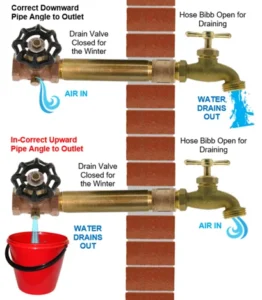
The stop and waste valve operates like a standard shut-off valve (often resembling a globe or plug valve internally) with one critical addition: a small, auxiliary drain hole (the “waste port”) located on the valve body, typically on the downstream side.
The Two Modes of Operation:
“Stop” Mode (Valve Closed):
When the valve handle (often operated with a long T-bar key because the valve is buried underground) is turned to the OFF position, the primary closure mechanism seals against the main water flow.
Crucially, the internal mechanism simultaneously opens the drain hole (waste port).
Gravity then takes effect, allowing the residual water downstream of the valve to empty out through the waste port and into the surrounding soil. This draining process is the “waste” function.
“Flow” Mode (Valve Open):
When the handle is turned to the ON position, the primary closure mechanism retracts, allowing water to flow freely downstream.
At the same time, the internal mechanism completely seals the drain hole. This prevents the pressurized main water supply from leaking or “wasting” into the ground continuously.
This coordinated action ensures that when the water is shut off for the winter, the pipe that remains vulnerable to the cold is emptied, eliminating the risk of ice expansion and subsequent pipe rupture.
🏡 Essential Applications of the Stop and Waste Valve
The specialized design of the stop and waste valve makes it ideal for specific applications where seasonal isolation and drainage are mandatory:
1. Sprinkler and Irrigation Systems
This is the most common application. The valve is typically installed underground at the point where the main water line feeds the irrigation system. Before the first frost, the valve is closed using the T-bar. This action:
Stops the water from entering the sprinkler lines.
Wastes the standing water from the main irrigation line to prevent a freeze break. (Note: A professional “blow-out” is usually still required to clear all water from individual sprinkler heads and lateral lines.)
2. Outdoor Hose Bibbs (Spigots)
In older homes or specific plumbing setups, a stop and waste valve may be installed in a heated area (like a basement or garage wall) on the line leading to an outdoor spigot. To winterize the spigot:
The valve is turned off, stopping the flow to the outdoor line.
The waste port is opened (often a separate cap or small plug on the valve body), and the water drains back into the heated space or an auxiliary drain, isolating the outdoor pipe segment.
3. Seasonal Water Lines
Any system that is intentionally shut down for a long period, such as a summer cottage or a seasonal camp water supply, benefits from a stop and waste valve to ensure the entire line can be completely drained and dried out.
⚠️ Important Installation and Operational Notes
For maximum effectiveness, the installation of a stop and waste valve requires expert adherence to two key principles:
Directional Flow: The valve must be installed correctly, with the drain hole positioned on the downstream side of the water flow. If installed backward, the waste port will open to the pressurized supply side when shut off, causing a significant leak or “flood.”
Complete Operation: The valve must be turned a full quarter-turn (if it’s a T-bar style) until it hits the hard stop in the closed position. If the valve is not fully turned, it can leak from the main port and bleed water out of the waste port simultaneously, resulting in wasted water and high utility bills.
The stop and waste valve remains a vital, practical solution, particularly in climates with harsh winters, acting as a crucial line of defense against costly pipe bursts and water damage.