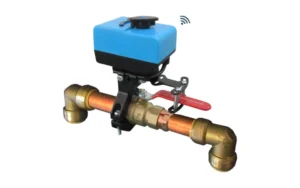
A backwater valve is typically installed on the building’s main sewer line, positioned in a location where it can stop sewage from flowing back into the home. The exact installation point depends on the building layout, but it is almost always installed in a low-access area between the house plumbing and the municipal sewer connection.

Below are the most common locations:
1. Basement or Crawl Space (Most Common Location)
In many homes, especially those with basements, the backwater valve is installed:
In the basement floor, beneath a removable access cover
On the main building drain, before it exits the foundation
Sometimes in a sump pit–style access box for easy maintenance
This allows homeowners or plumbers to reach the valve for inspection and cleaning.
2. Outside the House (Yard or Driveway)
If indoor installation is not convenient, the backwater valve may be located outside, usually:
In the front yard, near the foundation
Inside an underground valve box or chamber
Along the main sewer pipe leading to the city sewer line
Outdoor placement is common when plumbing lines run directly to the street without entering a basement.
3. At the Building Sewer Exit Point
Another typical location is right where the building drain becomes the sewer lateral, often:
Near the property line
Close to the municipal connection point
Inside a concrete or plastic access vault
This position provides maximum protection against street sewer surcharges.
4. Under the Floor Drain (Older Homes)
In some older installations, the backwater valve is built directly under:
Basement floor drains
Utility room drains
This provides localized protection but is not as effective as installing it on the main sewer line.
How to Identify the Backwater Valve Location
You can usually find it by looking for:
✔ A rectangular or circular access cover
Located on the basement floor or yard.
✔ A labeled cleanout cap
Some modern valves have clear lids or inspection ports.
✔ Plumbing drawings or house plans
These indicate the exact position along the sewer line.
If unsure, a plumber can locate it using a pipe camera.
Where Should a Backwater Valve Be Installed? (Best Practice)
For maximum effectiveness:
⭐ Install on the main sewer line
Between the house’s lowest fixture and the municipal sewer.
⭐ Make sure it is accessible
It must be opened for cleaning at least once a year.
⭐ Follow code requirements
Many cities require backwater valves for fixtures below the nearest upstream manhole.
Conclusion
A backwater valve is usually located:
In the basement floor,
Outside in the yard, or
Near the property’s sewer exit point.
Its purpose is to prevent sewage from flowing back into the home during heavy rain, blockages, or municipal sewer overloads. Proper positioning and accessibility are essential for reliable protection.