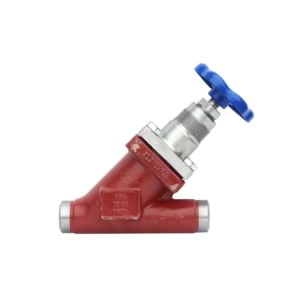
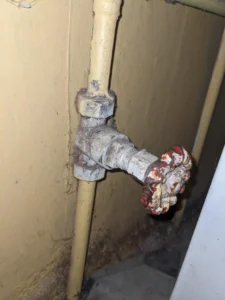
An anti-siphon sprinkler valve is essential for preventing contaminated irrigation water from flowing back into your home’s clean water supply.
But when that anti-siphon valve starts leaking, it becomes one of the most common—and most confusing—sprinkler system problems homeowners face.
This guide explains:
Why anti-siphon sprinkler valves leak
How to diagnose the type of leak
Step-by-step repair solutions
When the valve must be replaced
How anti-siphon valves work (simple explanation)
What Is an Anti-Siphon Sprinkler Valve?
An anti-siphon valve is a sprinkler valve with a built-in backflow prevention device.
It sits above ground and contains a vacuum breaker that stops water from siphoning backward into your home’s plumbing system.
Typical components:
Manual shut-off handle
Solenoid
Bonnet/cap
Diaphragm
Spring
Anti-siphon vacuum breaker cap
Why Anti-Siphon Sprinkler Valves Leak (Top 6 Causes)

1. The Anti-Siphon Cap/Vacuum Breaker Is Cracked
This is the #1 cause of water leaking from the top of the valve.
Symptoms:
Water spurts or drips from the top cap
Leak gets worse when the zone turns on
Fix:
Replace the vacuum breaker cap and float assembly
(Usually a $8–$15 part; quick DIY fix)
2. The Valve Leaks When Off → Bad Diaphragm
If the anti-siphon valve leaks even when the sprinkler system is off, it almost always means:
→ Torn, hardened, or stuck diaphragm
Symptoms:
Water constantly flows out the sprinklers
Zone won’t fully shut off
Slow leaking near the bonnet
Fix:
Replace the diaphragm (cheap $5–$12 repair)
3. Loose Bonnet or Solenoid O-Ring
If water leaks around the top of the valve body:
Causes:
Misaligned gasket
Aging O-rings
Bonnet not fully tightened
Fix:
Hand-tighten
Replace O-rings
Re-seat the gasket
4. Debris Stuck in the Valve
Dirt, sand, or mineral build-up can prevent the diaphragm from sealing.
Symptoms:
Random leaking
Water sputters when zone starts
Valve opens or closes slowly
Fix:
Disassemble valve
Rinse diaphragm + seat
Flush valve body
5. High Water Pressure
Anti-siphon valves are pressure-sensitive.
If pressure > 80 PSI, leaks become common.
Fix:
Install a pressure regulator before the irrigation line
Reduce pressure to 40–60 PSI
6. The Valve Is Installed Too Low
Anti-siphon sprinkler valves must be 6″–12″ ABOVE the highest sprinkler head.
If not, water can pool in the vacuum breaker → leaking.
Fix:
Raise the valve
Or replace with a proper above-ground anti-siphon unit
Troubleshooting: Identify the Leak Type
Here is a quick diagnostic table:
| Leak Location | Most Likely Cause | Fix |
|---|---|---|
| Water leaking from top cap | Cracked vacuum breaker or bad float | Replace top cap |
| Valve leaks when off | Torn diaphragm | Replace diaphragm |
| Leaking around bonnet | Bad O-ring / loose cap | Replace O-ring |
| Intermittent leak during operation | Debris inside valve | Clean and flush |
| Water comes out of anti-siphon vent holes | Valve installed too low | Raise valve |
| Water gushes only when zone starts | Pressure spike | Add pressure regulator |
How Anti-Siphon Valves Work (Simple)
Anti-siphon valves contain a vacuum breaker that:
Opens to let air in when water stops flowing
Prevents suction from pulling dirty water backward
Closes when irrigation begins
If the internal float gets stuck or damaged → leaks occur at the top of the valve.
How to Fix a Leaking Anti-Siphon Sprinkler Valve (DIY Guide)
Step 1 — Identify the leak point
Top? Side? Constant? Only when on?
Step 2 — Turn off water & relieve pressure
Step 3 — Disassemble the top bonnet
Step 4 — Inspect & clean diaphragm
Step 5 — Replace worn parts
Diaphragm
O-rings
Vacuum breaker cap
Bonnet screws
Step 6 — Reassemble & test
When You Must Replace the Valve (Not Repair)
Replace if you see:
✔ Valve body cracked
✔ Old brass models corroded internally
✔ Plastic valve older than 15–20 years
✔ Threads stripped
✔ Diaphragm seat damaged
A new anti-siphon sprinkler valve typically costs $15–$35.
FAQ
Why is my anti-siphon valve leaking when the sprinklers are off?
The diaphragm is damaged or debris is preventing it from sealing.
Why is water coming out of the anti-siphon cap?
The vacuum breaker cap or float assembly is worn or cracked.
Can I use an in-line valve instead of an anti-siphon valve?
Only if you add a separate backflow preventer.
Anti-siphon valves must be installed above ground.