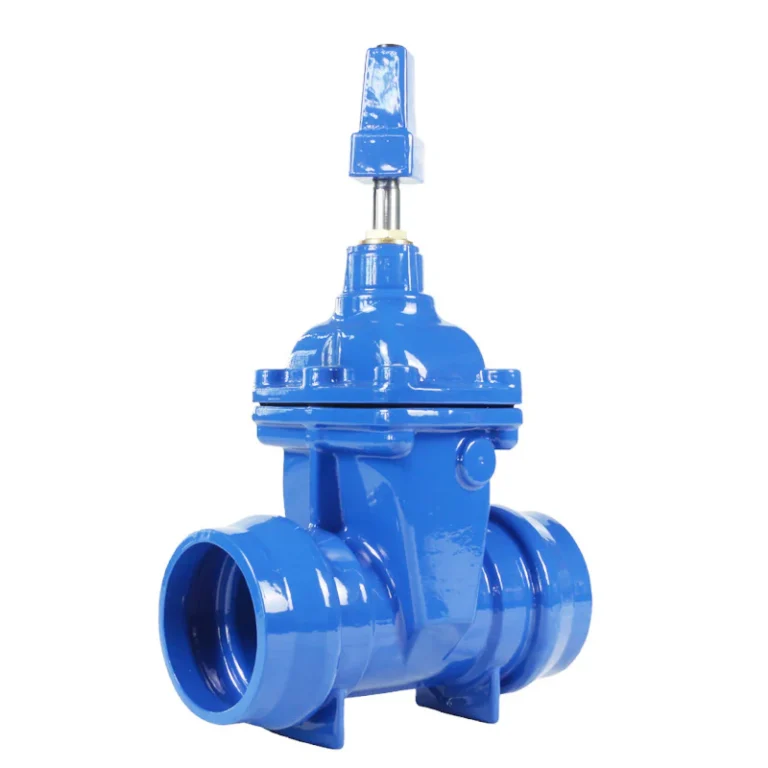
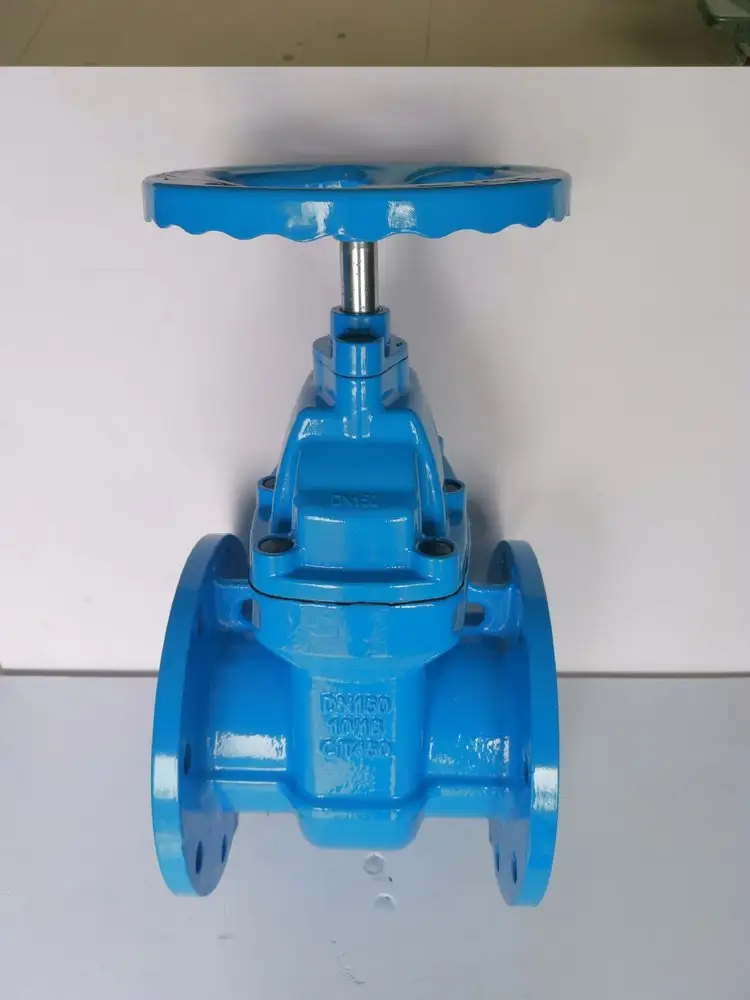
High-Pressure Titanium Alloy Gate Valve
The High-Pressure Titanium Alloy Gate Valve is a specialized, severe-service valve engineered to function reliably in extreme conditions. It leverages the exceptional mechanical strength and unparalleled corrosion resistance of Titanium alloys to withstand not only highly corrosive fluids but also extremely high pressures and temperatures.
These valves are indispensable in critical infrastructure where component failure is not an option, such as nuclear, marine, offshore, and chemical processing facilities.
🔑 Key Engineering and Design Characteristics
| Feature | Detail | Impact on Performance |
| High-Pressure Capability | Designed to handle pressures exceeding 15MPa(2250psi). | Safety and Integrity: Suitable for deep-sea or high-pressure chemical loops where structural integrity is paramount. |
| Pressure Seal Bonnet | For the highest pressure services, a Pressure Seal Bonnet design is utilized. | Leak Prevention: The internal fluid pressure acts on the bonnet gasket, actually reinforcing the seal and preventing leaks as pressure increases. |
| High Strength | Constructed from Titanium alloys capable of achieving tensile strengths up to 1,380MPa (up to 200,000psi). | Durability: Provides the necessary structural integrity to safely contain high-pressure fluids over long periods. |
| Corrosion Resistance | Titanium forms a stable, protective passive oxide layer. | Longevity: Unmatched resistance to highly corrosive fluids, particularly seawater, brine, and chlorides, drastically reducing maintenance and extending service life. |
| Temperature Tolerance | Specific alloys can perform effectively up to approximately 600°C (1,112°F) in specialized applications. | Versatility: Suitable for use in processes requiring high thermal stability. |
🏭 Critical Applications
The combination of extreme pressure containment and superior corrosion resistance targets this valve for the most challenging environments:
- Maritime & Naval: Essential for seawater systems on commercial vessels, nuclear submarines, and aircraft carriers where reliability in aggressive marine conditions is critical.
- Offshore Oil and Gas: Used in platforms and deep-sea facilities that handle high-pressure fluids and are constantly exposed to saltwater environments.
- Nuclear Power Plants: Employed in coastal facilities for cooling water and auxiliary systems due to their excellent resistance to seawater corrosion.
- Chemical Processing: Critical isolation points in high-pressure loops involving severe corrosive media.
⚠️ Material Limitations and Manufacturing Notes
While Titanium offers exceptional performance, its use requires specialized attention:
- High-Temperature Limit: The material’s overall strength begins to decrease above 430°C (800°F).
- Machining Challenges: Machining Titanium requires specific techniques to avoid material softening and galling.6 Manufacturers must employ lower cutting speeds and generous feed rates to manage temperature and prevent work hardening.
Fast Response & Competitive Pricing Start Here
* We are not just providing simple quotes but experts in selection, calculation, and drawing.